The premium smartphone segment continues to grow in Pakistan, giving buyers more choices than ever before. Two devices attracting attention are the Huawei Pura 90s Pro and the OPPO Reno16 Pro. Although both belong to the premium category, they are designed for different types of users. Huawei focuses on photography and premium craftsmanship, while OPPO delivers flagship-level performance, long battery life, and a complete Android experience.
If you’re confused about which one deserves your money, this detailed comparison explains every important aspect in simple language.
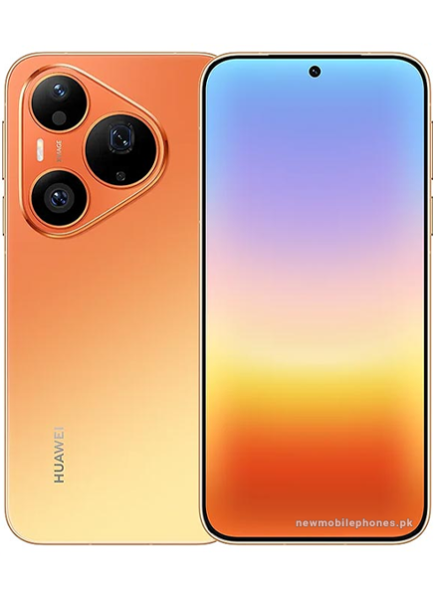
Huawei Pura 90s Pro vs Oppo Reno16 Pro
| Product Name |
Huawei Pura 90s ProOppo Reno16 Pro |
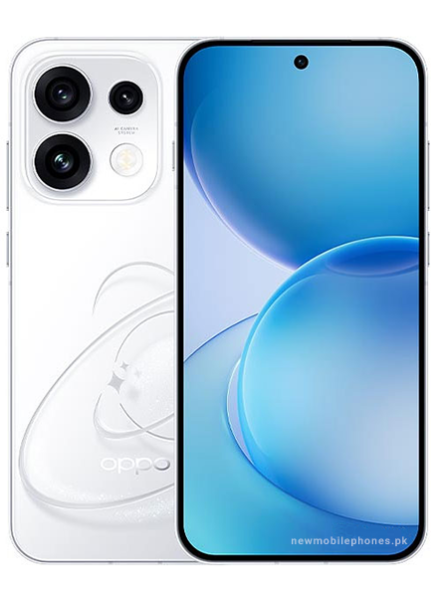
|
|
| Price | ₨. 288,000 ₨. 287,680 |
Network
| Technology | GSM / HSPA / LTE / 5G GSM / HSPA / LTE / 5G |
| 2G Network | GSM 850 / 900 / 1800 / 1900 GSM 850 / 900 / 1800 / 1900 |
| 3G Network |
HSDPA 800 / 850 / 900 / 1700(AWS) / 1900 / 2100
HSDPA 800 / 850 / 900 / 1700(AWS) / 1900 / 2100 - version 1 HSDPA 900 / 2100 - version 2 |
| 4G Network |
1, 2, 3, 4, 5, 6, 7, 8, 9, 12, 13, 17, 18, 19, 20, 26, 28, 34, 38, 39, 40, 41, 42, 48, 66
1, 2, 3, 4, 5, 7, 8, 12, 13, 17, 18, 19, 20, 26, 28, 32, 34, 38, 39, 40, 41, 66, 71 - version 1 1, 3, 5, 8, 40 - version 2 |
| 5G Network |
1, 2, 3, 5, 7, 8, 12, 20, 26, 28, 38, 40, 41, 48, 66, 71, 77, 78, 79, 80, 81, 83, 84 SA/NSA
1, 2, 3, 5, 7, 8, 12, 20, 26, 28, 38, 40, 41, 48, 66, 71, 77, 78 SA/NSA - version 1 1, 3, 5, 8, 40 SA/NSA - version 2 |
| Speed | HSPA, LTE, 5G HSPA, LTE, 5G |
General
| Colors | Guava Soda, Orange Soda, Coconut White, Mulberry Black Pop White, Starlight Black |
| Models | MLN-LX9 CPH2863 |
Body
| Dimensions | 157.8 x 74.5 x 8.2 mm (6.21 x 2.93 x 0.32 in) 151.2 x 72.4 x 8.2 mm or 8.4 mm |
| Weight | 213.5 g (7.55 oz) 188 g or 191 g (6.63 oz) |
| Build | Glass front, aluminum frame, glass back Glass front, aluminum frame, glass back or composite plastic back |
| SIM |
Nano-SIM + Nano-SIM + eSIM (max 2 at a time) IP68/IP69 dust tight and water resistant (high pressure water jets; immersible up to 2m for 30 min) Nano-SIM + Nano-SIM + eSIM (max 2 at a time) IP68/IP69K dust tight and water resistant (high pressure water jets; immersible up to 1.5m for 30 min) |
Display
| Display Type | LTPO OLED, 1B colors, 120Hz, PWM, HDR AMOLED, 1B colors, 144Hz, 3840Hz PWM, HDR10+, 600 nits (typ), 1800 nits (HBM), 3600 nits (peak) |
| Size | 6.6 inches, 105.5 cm2 (~89.7% screen-to-body ratio) 6.32 inches, 97.9 cm2 (~89.5% screen-to-body ratio) |
| Resolution | 1256 x 2760 pixels (~460 ppi density) 1216 x 2640 pixels, 19.5:9 ratio (~460 ppi density) |
| Display Protection | Kunlun Glass 2 Crystal Guard, Mohs level 4 |
Platform
| Operating System | Android 16, EMUI 16 Android 16, ColorOS 16 |
| Chipset | Kirin 9030S (5 nm) Mediatek Dimensity 8550 Super (4 nm) |
| CPU |
Octa-core (1x2.7 GHz Taishan Big + 3x2.15 GHz Taishan Mid + 4x1.62 GHz Taishan Little)
Octa-core (1x3.4 GHz Cortex-A725 + 3x3.2 GHz Cortex-A725 + 4x2.2 GHz Cortex-A725) |
| GPU | Maleoon 935F Mali-G720 MC8 |
Memory
| Card Slot | No No |
| Internal Storage |
256GB/12GB, 512GB/12GB
256GB/12GB , 512GB/12GB UFS 3.1 |
Camera
| Camera main |
Triple 50 MP, f/1.4-4.0, 24mm (wide), 1/1.28, PDAF, OIS 50 MP, f/2.1, 91mm (telephoto), PDAF (5cm - ∞), OIS, 4x optical zoom 12.5 MP, f/2.2, 13mm (ultrawide), AF Features Laser AF, color spectrum sensor, LED flash, panorama, HDR Video 4K@30fps, 1080p@30fps, HDR, gyro-EIS, OIS Triple 200 MP, f/1.8, 24mm (wide), 1/1.56, 0.5µm, PDAF, OIS 50 MP, f/2.8, 80mm (telephoto), 1/2.75, 0.64µm, PDAF, OIS, 3.5x optical zoom 50 MP, f/2.0, 16mm, 116˚ (ultrawide), 1/2.88, 0.61µm, AF Features Color spectrum sensor, Multi-focus LED flash, HDR, panorama Video 4K@30/60fps, 1080p@30/60/120/240/480fps, 720p@960fps, gyro-EIS, HDR, OIS |
| Camera selfie |
Single 13 MP, f/2.0, (ultrawide), AF Features HDR, panorama Video 4K@30fps, 1080p@30fps, HDR, gyro-EIS Single 50 MP, f/2.0, 18mm, 100˚ (ultrawide), 1/2.75, 0.64µm, AF Features Panorama, HDR Video 4K@30/60fps, 1080p@30/60fps, gyro-EIS, HDR |
Battery
| Battery Type | 6000mAh Si/C Li-Ion 6700 mAh |
| Charging |
66W wired 50W wireless Reverse wired 5W reverse wireless 80W wired, 44/80W UFCS, 55W PPS, 13.5W PD, 100% in 57 min Reverse wired |
Connectivity
| WLAN | Wi-Fi 802.11 a/b/g/n/ac/6/7, dual-band Wi-Fi 802.11 a/b/g/n/ac/6, dual-band |
| Bluetooth | 6.0, A2DP, LE, L2HC 5.4, A2DP, LE, aptX HD |
| GPS | GPS (L1+L5), GLONASS (L1), BDS (B1I+B1c+B2a+B2b), GALILEO (E1+E5a+E5b), QZSS (L1+L5), NavIC GPS, GLONASS, GALILEO, BDS, QZSS |
| NFC | Yes No |
| Infrared port | Yes Yes |
| Radio | No No |
| USB | USB Type-C USB Type-C 2.0, OTG |
Sound
| Loudspeaker | Yes, with stereo speakers Yes, with stereo speakers |
| 3.5mm jack | No No |
Features
| Sensors | Fingerprint (side-mounted), accelerometer, gyro, proximity, compass Fingerprint (under display, optical), accelerometer, gyro, proximity, compass |
| Browser | Yes Yes |
| Games | Yes Yes |
Design and Build
Both smartphones look premium, but their design philosophy is different.
The Huawei Pura 90s Pro follows Huawei’s elegant camera-centric design with a stylish rear camera module and premium materials. The phone feels solid in the hand and is aimed at users who appreciate luxury and minimalism.
The OPPO Reno16 Pro offers a slimmer profile with curved edges and a modern finish that appeals to younger users. Despite housing a larger battery, it remains comfortable to use for long periods.
Both phones include water and dust resistance, making them reliable for everyday use.
Verdict: Both devices offer excellent build quality, so your choice mainly depends on personal design preference.
Display Comparison
A good display improves everything from watching videos to gaming and reading.
Huawei equips the Pura 90s Pro with a bright OLED panel that delivers rich colors, deep blacks, and smooth animations thanks to its high refresh rate. It is particularly enjoyable for photography because images appear natural and detailed.
OPPO Reno16 Pro features a larger OLED display with the same smooth refresh rate. The bigger screen creates a more immersive experience for gaming, streaming, and multitasking.
If you enjoy watching Netflix, YouTube, or playing mobile games, the Reno16 Pro provides a slight advantage due to its larger display area.
Winner: OPPO Reno16 Pro
Performance
Performance matters if you use demanding apps, edit videos, or play graphics-intensive games.
Huawei’s flagship processor keeps the Pura 90s Pro running smoothly in everyday tasks. The software optimization also contributes to a responsive user experience.
The OPPO Reno16 Pro focuses on delivering stronger processing power, making it well suited for heavy multitasking, competitive gaming, and future software updates.
For casual users, both phones perform exceptionally well. However, power users are more likely to appreciate the extra performance offered by OPPO.
Winner: OPPO Reno16 Pro
Camera Comparison
Photography is one of the biggest differences between these two smartphones.
Huawei Pura 90s Pro
Huawei has built its reputation on smartphone photography, and the Pura 90s Pro continues that tradition.
The camera system captures detailed photos with balanced colors and impressive dynamic range. Portrait photography is especially strong, while the telephoto camera delivers sharp zoom images without sacrificing quality.
Night photography is another area where Huawei performs extremely well, producing brighter images with controlled noise.
OPPO Reno16 Pro
The Reno16 Pro is designed for users who enjoy taking photos for social media. It captures vibrant images, produces attractive portraits, and records high-quality videos.
Its AI-powered camera features automatically optimise lighting, colors, and skin tones, making it easy for beginners to capture attractive photos.
The front camera is also one of the strongest points of the Reno16 Pro, making it an excellent choice for selfie lovers and content creators.
Camera Verdict
If your priority is professional-style photography with realistic colors and excellent zoom quality, Huawei is the stronger choice.
If you frequently take selfies, create TikTok videos, or upload content to Instagram, OPPO offers a more user-friendly experience.
Winner: Huawei Pura 90s Pro for photography
Battery and Charging
Battery performance has become one of the most important buying factors.
Huawei provides enough battery capacity to comfortably last a full day for most users. Wireless charging adds extra convenience, especially for professionals.
The OPPO Reno16 Pro includes an even larger battery along with faster wired charging. This combination allows users to spend less time charging and more time using their phones.
For heavy gamers and frequent travelers, OPPO has the advantage.
Winner: OPPO Reno16 Pro
Software Experience
Software plays a major role in daily smartphone usage.
Huawei uses HarmonyOS, which is smooth and optimized. However, users in Pakistan should remember that some Google-based applications may require alternative installation methods.
OPPO Reno16 Pro runs Android with ColorOS, giving users direct access to Google services, the Play Store, banking apps, and all popular local applications without additional setup.
For the average Pakistani smartphone user, OPPO offers a more familiar and convenient software experience.
Winner: OPPO Reno16 Pro
Which Phone is Better for Pakistani Users?
Buy Huawei Pura 90s Pro if you:
- Love mobile photography.
- Frequently use zoom cameras.
- Prefer premium design and craftsmanship.
- Want a flagship focused on camera performance.
Buy OPPO Reno16 Pro if you:
- Want better overall performance.
- Need a larger battery.
- Prefer Android with Google services.
- Play games regularly.
- Create content for social media.